



Nürburgring 24 Hours: Experiencing the Magic of the Nordschleife
.jpeg)
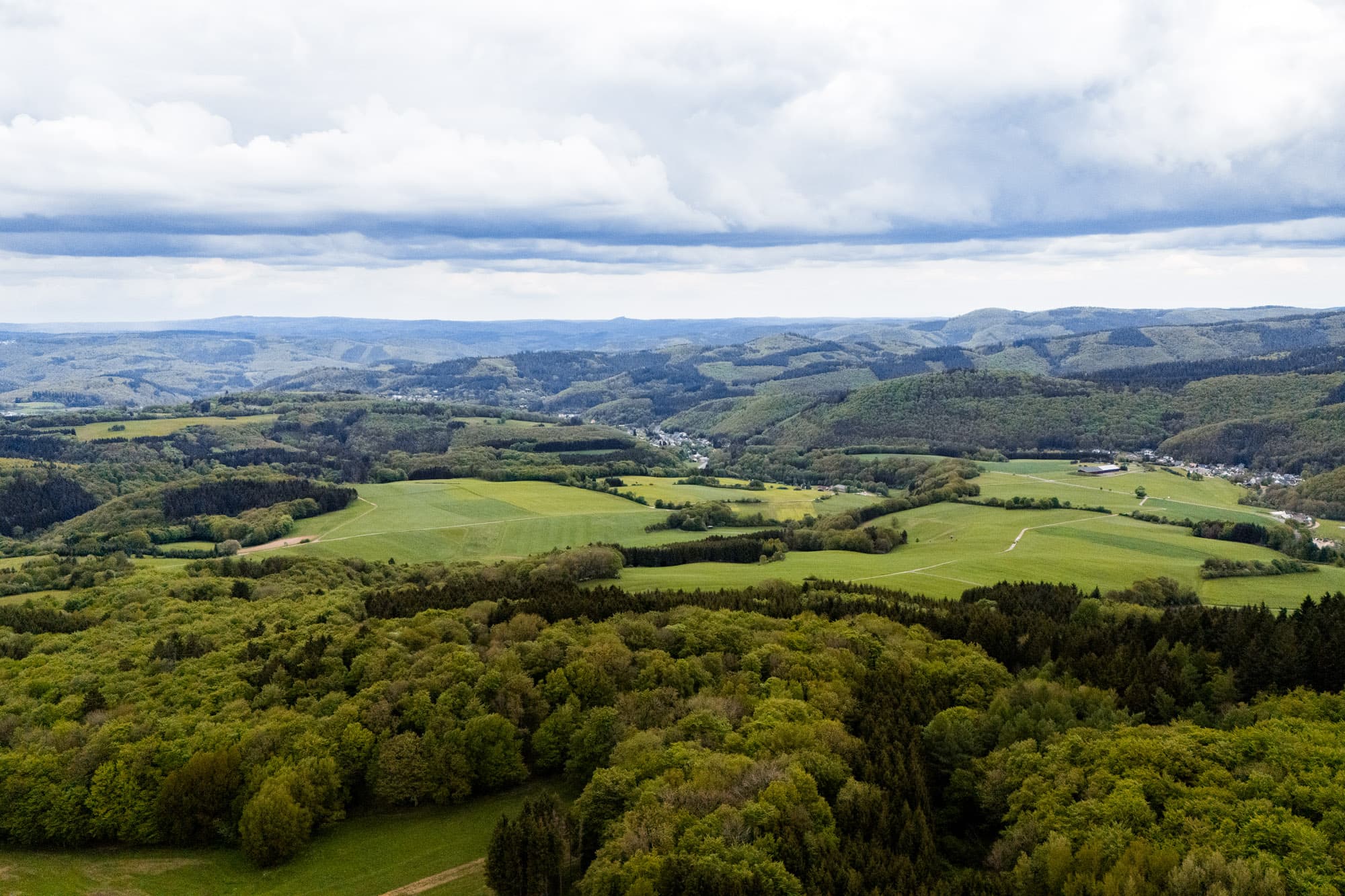
Hundreds of thousands of fans, more than 150 cars, a circuit that demands everything. The Nürburgring 24 Hours is not just a motorsport event. It is one of the biggest motorsport events in the world and one of the biggest sporting events in Germany — and probably the most emotional declaration of love to the Nordschleife.
In a "Tagesthemen" feature, German broadcaster ARD captured exactly this fascination: families who have camped trackside for years. Amateur racers like Team Eifelkind Racing, in tears during their first formation lap. Pros like Max Verstappen, finally living a lifelong dream. And thousands of fans along the 25 kilometres of climbs and descents through the Eifel hills.
.jpeg)
But the best part: on the Nordschleife — the heart of the 24 Hours — you can drive yourself. Not in the chaos of public Touristenfahrten — but on a structured Trackday with coaching, a clear circuit, and coaches who know the 24 Hours like the back of their hand.
→ Current Nordschleife dates in the ESC event calendar
The Nürburgring 24 Hours: what makes it unique
The Nürburgring 24 Hours — officially the ADAC RAVENOL 24h Nürburgring — is Germany's toughest endurance race. It has been held since 1970 and ranks alongside the 24 Hours of Le Mans, Daytona, and Spa-Francorchamps among the most prestigious 24-hour races in the world.
What makes the race special:
- The track: A combined 25.378 km lap of Nordschleife and Grand Prix circuit — one of the longest regularly used race tracks in the world.
- The grid: Regularly more than 130 cars across several performance classes (in 2026 even 161 cars with 584 drivers) — from 500-hp GT3 factory machines to near-production Cup cars and amateur teams.
- The drivers: Factory pros, former Formula 1 stars and ambitious amateurs on the same track. Hardly any other event puts pro and amateur motorsport this close together.
- The fans: Hundreds of thousands of spectators make the pilgrimage to the Eifel every year (2026: 352,000 — a new record). Many arrive a week before the race and build entire camping cities with self-built showers and heated tents.

The Nordschleife: 20.8 kilometres of pure legend
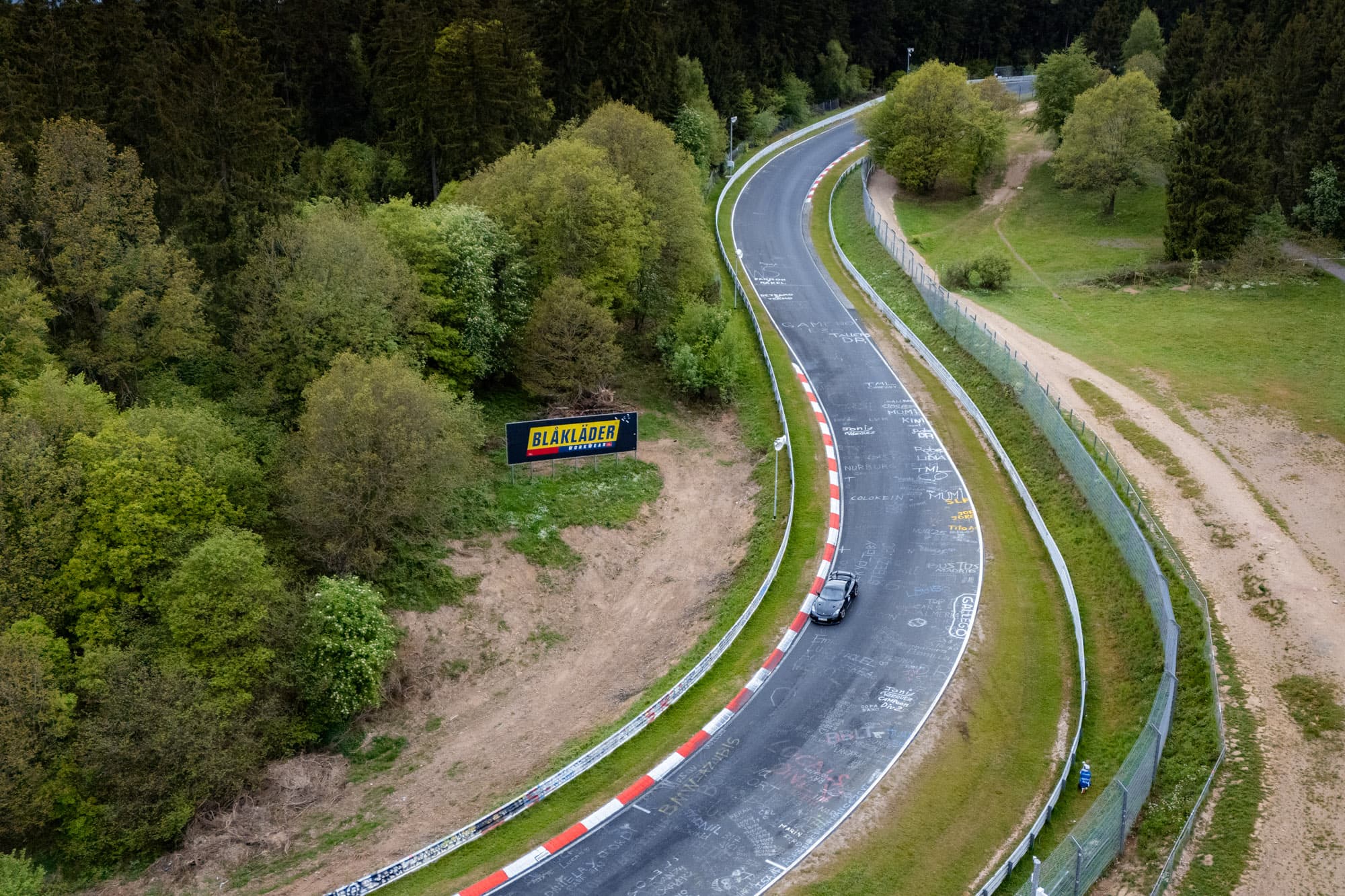
At the heart of the 24 Hours stands the Nürburgring Nordschleife — opened in 1927 and ever since the stage for motorsport history. Three numbers explain why the track is called the "Green Hell":
- 20.832 km in length — nearly four times longer than a modern F1 circuit
- 73 corners, many of them blind or with changing radii
- More than 300 metres of elevation change on a single lap — from the lowest to the highest point
Add to that shifting weather zones (it can be sunny, foggy, and wet on the same lap), legendary sections like the Karussell, the Fuchsröhre and the Döttinger Höhe — and a track surface that challenges every driver on every lap anew.
Exactly this mix makes the Nordschleife the supreme discipline. What counts here is not raw speed, but track knowledge, concentration and humility.

The fan fascination: camping, vibrations, goosebumps
What the Tagesthemen feature captures so well: the 24 Hours is not a passive spectator event. The fans are part of the spectacle. Families pitch their tents right next to the track — some for decades in the same spot, with self-built showers and water heaters.
A family from the feature puts it perfectly: "You can really feel the vibrations the engines transmit. Just absolutely mega for everyone."
The atmosphere is legendary. At the campsites around the Nordschleife people meet who otherwise never see each other all year. There is barbecuing, partying, motorsport talk. And when the sun sets behind the Eifel and the first headlights cut through Adenauer Forst and Wehrseifen, the most emotional part of the race begins: the night.
Amateur racers and factory pros: from dream to starting grid
One of the most beautiful stories from the Tagesthemen feature: Team Eifelkind Racing from Nordhorn. Driver Nils Renken says through tears that he cried almost the entire formation lap — out of joy. "It was a huge dream of mine to drive the 24 Hours once in my life."
This is the core of the 24h Nürburgring: lifelong dreams meet top-level motorsport. In the top SP9 class, GT3 factory cars from leading manufacturers such as Mercedes-AMG, BMW M, Porsche (Manthey-Racing), Audi, Aston Martin or Lamborghini regularly battle for the overall win. Alongside them, around 20 other classes — from Cup cars to modified production BMWs — fight for class wins.
And for several years now, Formula 1 stars have been showing up on the grid more and more often. Niki Lauda himself won the 24h Nürburgring as a 24-year-old in 1973 in a BMW 2002 for Alpina. Current example: Max Verstappen, four-time Formula 1 world champion, made his debut at the 24h Nürburgring in 2026 in a Mercedes-AMG GT3. For many fans, one more reason to make the trip to the Eifel every year.
From the grandstand to the Nordschleife: become the driver
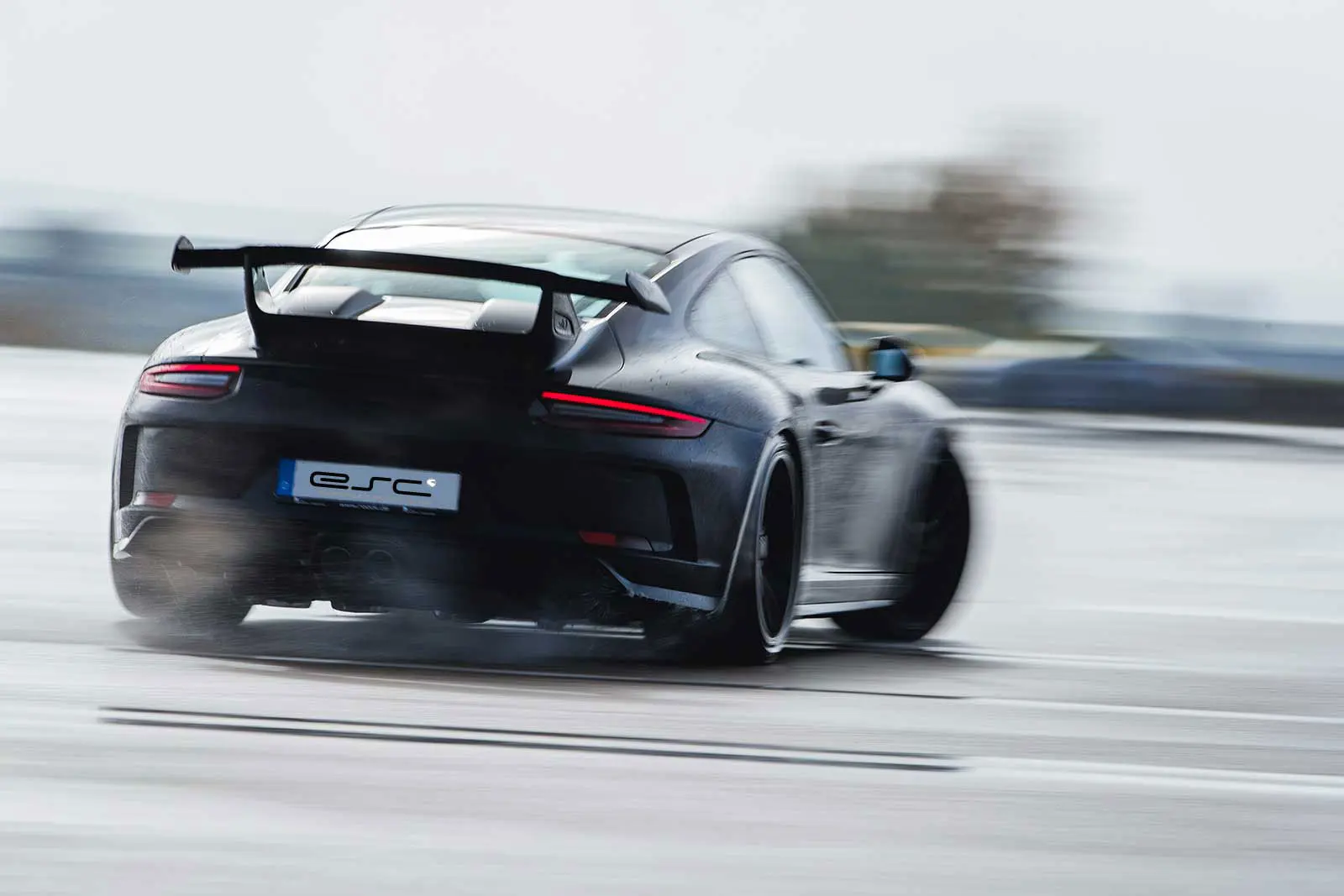
The beauty of the Nordschleife: it is not reserved for the pros. If after a weekend as a spectator at the 24 Hours you think "I want this too" — it is doable. With the right preparation.
There are two basic ways to drive the Nordschleife yourself:
Touristenfahrten: the entry point — with caveats
On many days throughout the year, the Nürburgring opens the Nordschleife for public sessions ("Touristenfahrten"). A lap costs from around 30 euros (depending on the day and the season) and you drive your own car. Sounds cheap — but there is a catch: you share the track with hundreds of vehicles, from motorcycles to sports cars, there is no track briefing, no coaching, no closed circuit in case of an accident. In a crash, significant costs for vehicle, track and recovery can apply — most standard insurance does not cover these cases.
.jpeg)
Trackdays: the structured way onto the Green Hell
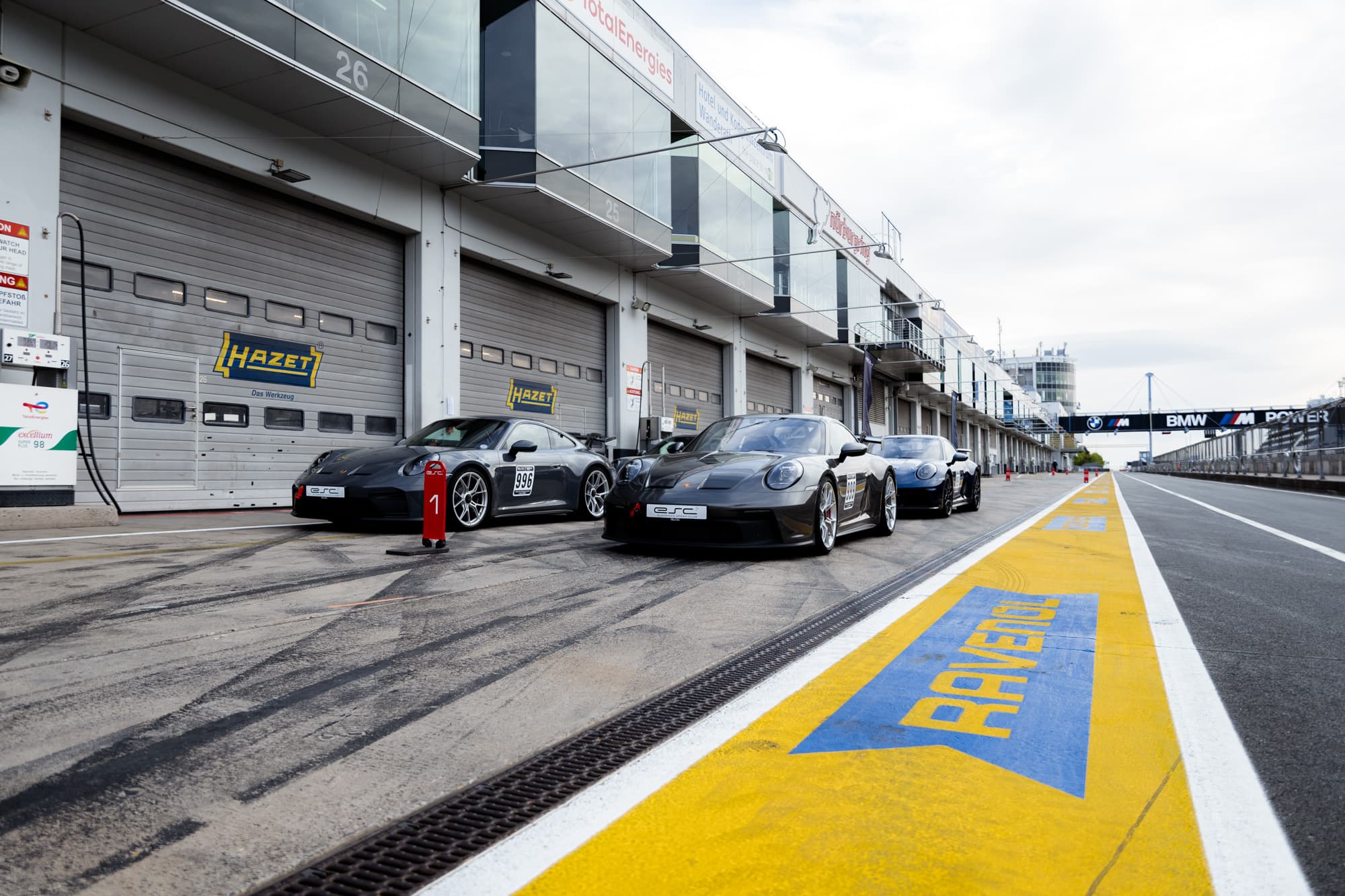
A Trackday on the Nordschleife works differently. The circuit belongs for an entire day to a limited group of participants — at premium organisers like ESC, that's around 40 to 80 cars. Instead of 200+ cars in the Touristenfahrten swarm, you get clear sightlines, a clear track, and coaching.
With ESC, you get:
- Structured format: STARTER and EXPERT groups, matched pace, mandatory briefing
- Coaches with racing DNA: Pierre Kaffer (24h-Nürburgring winner and Le Mans class winner), Marc Basseng (FIA GT1 world champion, 24h-Nürburgring overall winner), Elia Erhart and Luca Ludwig — all with verifiable motorsport history and 24h experience
- All-inclusive: hotel, catering, pit-stop service included
- Safety: in case of accidents the track is closed, marshals are on site, no mixed traffic
And if you don't have your own car to bring to the circuit: with CarForGo you can directly book a prepared Porsche from the ESC fleet — from the 911 Carrera to the GT3 RS (availability varies).
Nordschleife or Grand Prix circuit? What suits you
The Nürburgring consists of two circuits — both are combined for the 24 Hours, but bookable separately as a Trackday:
- Nordschleife (20.8 km): The supreme challenge. 73 corners, brutal elevation changes, blind approaches. Demanding, but doable for beginners with ESC coaching. → Guide to the Nordschleife Trackday
- Grand Prix circuit (5.1 km): The modern F1 track. Clearer layout, better run-off zones, ideal for your first step on a "real" race track. → Guide to the Grand Prix Trackday
Our recommendation: if you have never driven on a race track, start on the Grand Prix circuit or book a Trackday on a more manageable track like Boxberg or Hockenheim. If you bring track experience, the Nordschleife is the next logical step.
What every Trackday beginner should know about the Nordschleife
Before you book your first date, here are the points that really matter:
- Season: The Trackday season typically runs from late March to mid-November. In winter the track is closed due to weather.
- Cost: Professional Nordschleife Trackdays start at around €690 for pure track rental and reach the four-figure range for premium packages incl. hotel, coaching and pit-stop service. Current ESC prices can be found in the event calendar.
- Requirements: Driving licence, technically sound vehicle (or CarForGo), helmet. Prior experience recommended, but not required.
- Insurance: Most car and comprehensive insurance policies exclude Trackday damage. Before booking, clarify your insurance coverage in writing or take out a dedicated Trackday insurance.
- Book early: Popular dates often sell out months in advance — especially the dates around the 24 Hours race.
Your next step
The Tagesthemen feature shows impressively what makes the Nürburgring 24 Hours one of the most emotional motorsport events in the world. But a lifelong dream stays a dream — until you take the first step.
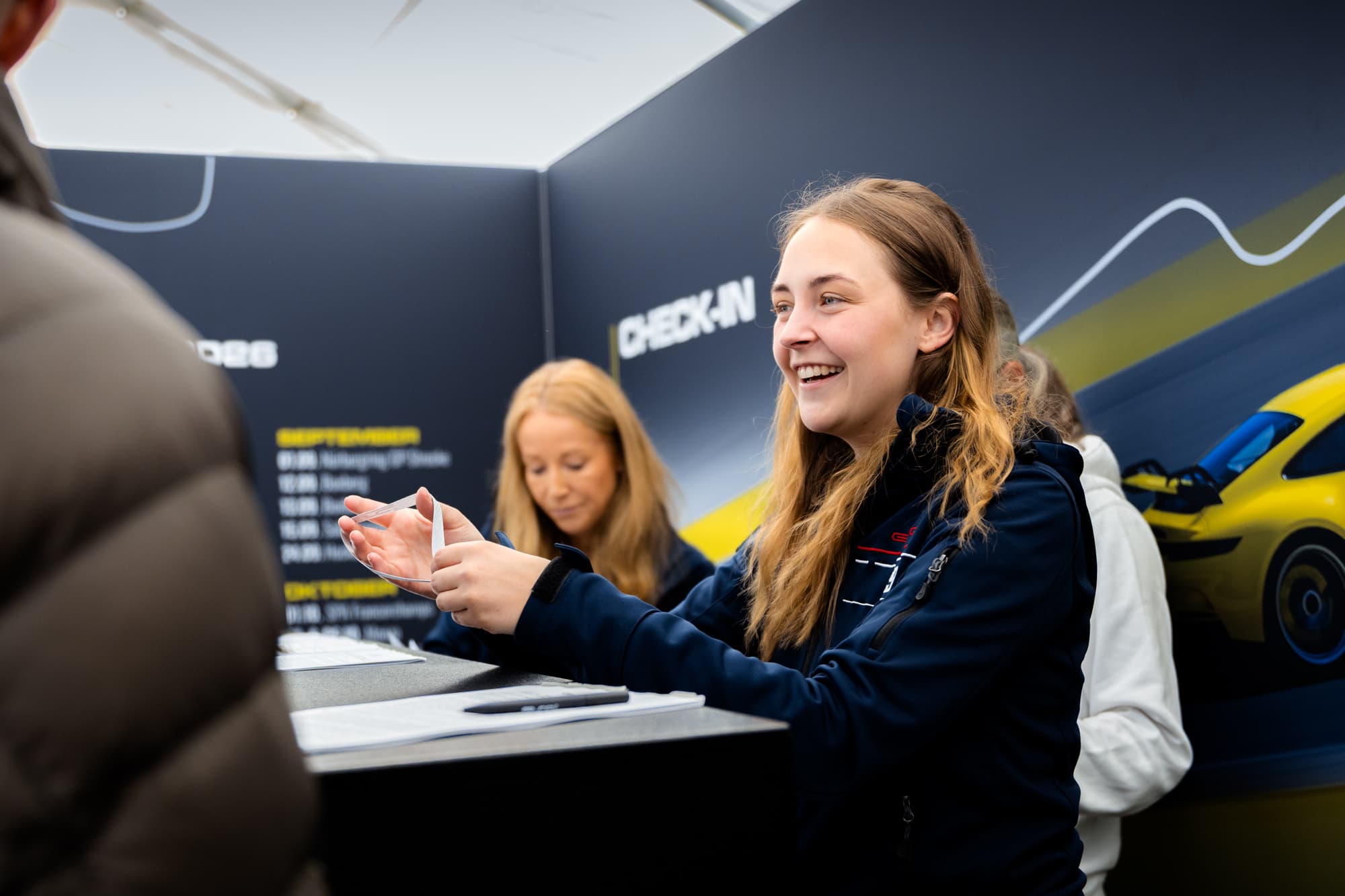
At European Speed Club, you drive exactly this track. With coaches who don't just know the 24 Hours — they have won it. With a structured format that gives beginners safety and advanced drivers freedom. With a fleet of over 60 vehicles, including 40+ Porsche models as of today (the fleet varies regularly), if you don't want to bring your own car to the Nordschleife.
Whether as a gift for a motorsport fan in your life or a reward for yourself — the Nordschleife is waiting.
→ Current Nordschleife dates in the ESC event calendar
→ Gift a Trackday — ESC vouchers
Questions about the Nordschleife Trackday? Get in touch directly — we'll advise you personally.
.jpeg)
Sources & further reading
- tagesschau.de — video feature
- 24h-rennen.de — official organiser site of the ADAC RAVENOL 24h Nürburgring
- nuerburgring.de — official Nürburgring website with track information and Touristenfahrten dates
- european-speed-club.com — ESC Trackday dates and booking
This article was written with motorsport expertise. At ESC, all coaches have a verifiable motorsport history — real racing experience instead of theory. Current dates, prices and availability can always be found in the ESC event calendar.
Frequently asked questions about the Nürburgring 24 Hours
The Nürburgring 24 Hours (officially ADAC RAVENOL 24h Nürburgring) is Germany's biggest endurance race and ranks alongside Le Mans, Daytona, and Spa among the four most important 24-hour races in the world.
Around 130 to 160 vehicles in different performance classes battle for a day and a night to complete as many laps as possible on the combined Nordschleife and Grand Prix circuit (25.378 km lap length).
The race is organised by the ADAC and traditionally takes place in May or June.
The Nürburgring 24 Hours takes place every year in May or June. The exact date varies from year to year.
The race traditionally starts on Saturday at 4:00 pm and ends on Sunday at 4:00 pm. You can find the current race date on the official organiser's website 24h-rennen.de.
Across the entire race weekend, typically 200,000 to 350,000 spectators come to the Eifel — depending on weather and star guests.
This makes the Nürburgring 24 Hours one of the biggest motorsport events in Europe. Many fans arrive a week before the race and camp directly at the track, often with self-built infrastructure (showers, heated tents).
The Nürburgring Nordschleife is 20.832 km long and has 73 corners.
Elevation changes of over 300 metres, many blind approaches and legendary sections like the Karussell, the Fuchsröhre and the Döttinger Höhe make it the most demanding race track in the world.
For the 24 Hours, the Grand Prix circuit is added, bringing the total lap length to 25.378 km.
The Nürburgring has two circuits:
- Nordschleife — the 20.8 km original race track from 1927 with 73 corners, extreme elevation changes, and the infamous "Green Hell".
- Grand Prix circuit — a modern, 5.1 km track used since 1984 for Formula 1 and international series; clearer layout, with better run-off zones, ideal entry point for Trackday beginners.
For the 24 Hours, both circuits are combined into a total lap of 25.378 km.
Yes. There are two main ways:
- Public Touristenfahrten — around €30 per lap, but with high traffic, no coaching, and no track closure in case of accidents.
- Organised Trackdays — the circuit belongs to a limited number of participants (at ESC: around 40 to 80 cars), with coaching and safety infrastructure included.
For beginners, a structured Trackday is the significantly safer and more instructive way. Current ESC dates can be found in the event calendar.
A premium Trackday on the Nordschleife at ESC costs between €1,595 and €1,995 per day — including hotel, coaching, pit-stop service, and catering.
Pure track-rental offers are available from around €690, but without inclusive services. For drivers without their own car, ESC offers a fleet of prepared Porsches for rent via CarForGo.
Current prices and dates: ESC event calendar.
With the right preparation: yes.
At ESC, beginners drive in the STARTER group with coaching by experienced racing instructors — including 24h-Nürburgring winners like Pierre Kaffer, Marc Basseng, and Luca Ludwig.
Recommendation: those who have never driven on a race track should first gain experience on the Grand Prix circuit or a more manageable track like Boxberg. The Nordschleife is then the logical next step once track knowledge and vehicle control are in place.
Still have questions?
Contact our team — we'll help you find the right cover for your next track day. Or sign up for our exclusive ESC newsletter and stay up-to-date!