




Fastest car in the world: ESC coach Marc Basseng hits 503 km/h

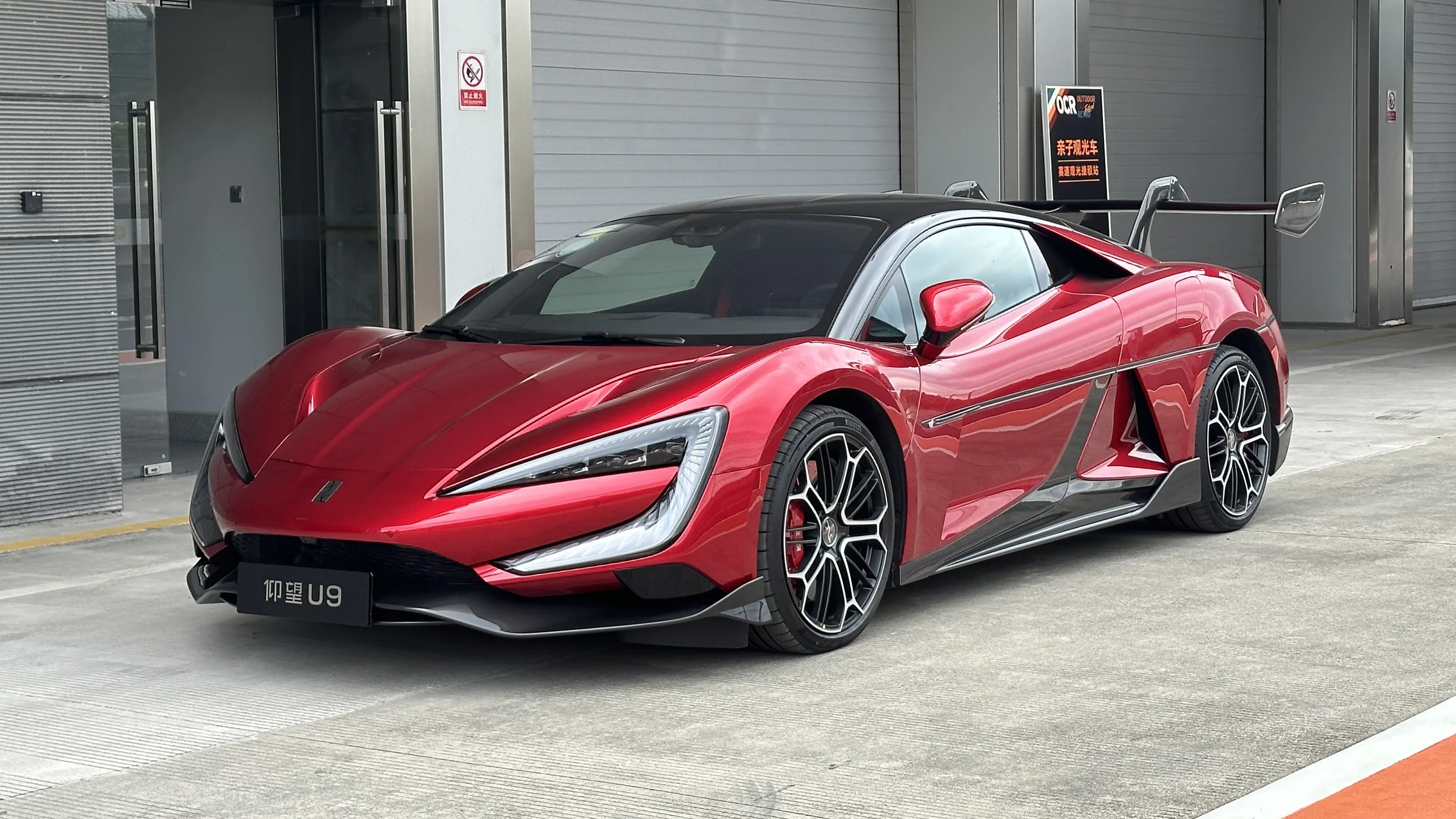
The fastest car in the world is electric, and a coach from the European Speed Club (ESC) was at the wheel. On 1 November 2026, Marc Basseng took the Yangwang U9 Xtreme to 503.17 km/h on a closed section of the E11 highway in Abu Dhabi. That makes the electric hypercar from BYD's luxury brand Yangwang the first production car to exceed 500 km/h in one direction. Here you will find all the facts on the record, Marc Basseng's record series and the answer to what you can learn on a track day from a 500 km/h driver.
The record at a glance
The key data on the record run, according to Yangwang and the announcements by the FIA and Guinness World Records:
| Item | Value |
|---|---|
| Date | 1 November 2026 |
| Location | closed section of the E11 (Sheikh Khalifa Bin Zayed International Road), Abu Dhabi |
| Car | Yangwang U9 Xtreme, BYD's luxury brand |
| Powertrain | 4 electric motors revving up to 30,000 rpm, 2,220 kW combined (around 3,000 PS), 1,200-volt technology |
| Top speed | 503.17 km/h, almost 140 metres per second |
| Driver | Marc Basseng, coach at the European Speed Club |
| Recognition | FIA and Guinness World Records, each as a one-direction record |
| Production | no more than 30 cars worldwide |
How the record run in Abu Dhabi went
For the attempt, a stretch of the E11 almost 10 kilometres long was closed and cleaned. Unlike on a proving ground, Basseng was driving on a real road, in high temperatures, crosswinds and desert dust. In 2 test runs the U9 Xtreme reached around 490 km/h. The team then adjusted the suspension and aerodynamics, and the record run measured 503.17 km/h.
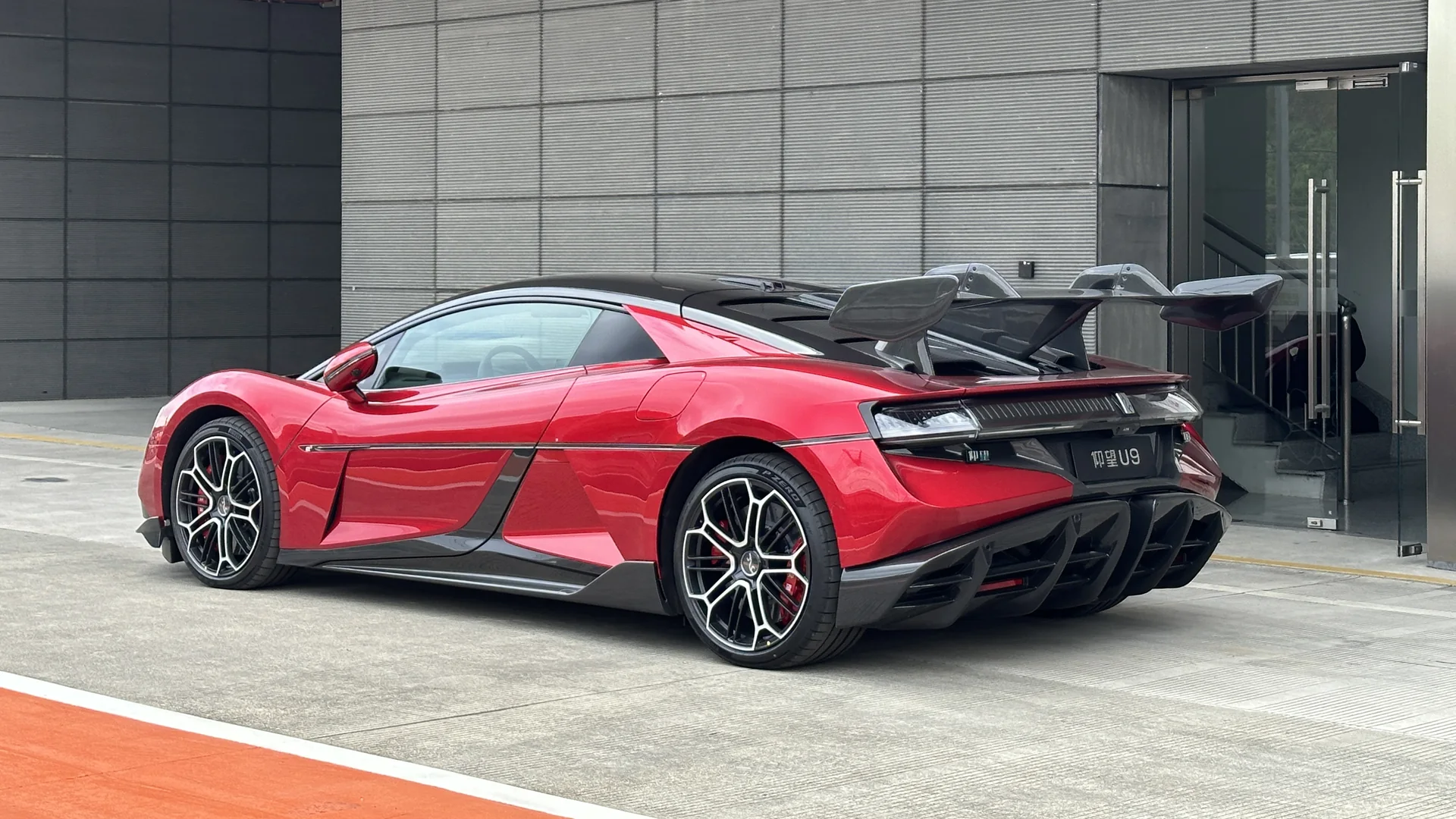
The margin over its own best is small: 6.95 km/h more than the 496.22 km/h Basseng had reached at the ATP proving ground in Papenburg in September 2025. At this level every extra km/h is hard won. The power required rises with the cube of the speed, so a few km/h more demand a great deal more power, cooling and stability.
Marc Basseng: the man for 500
Marc Basseng, born in Engelskirchen in 1978, has been one of Germany's most successful GT drivers for many years. In 2012 he became FIA GT1 World Champion and won the Nürburgring 24 Hours in the same year. He also won the Bathurst 12 Hour in 2011 and has 26 overall wins in the endurance series on the Nordschleife. At the European Speed Club he is one of the coaches who accompany guests on the racetrack. More about him on his author page.

The record series
The record in Abu Dhabi is no lucky strike. For years Basseng has been the driver manufacturers call on for top speed and fast laps:
| Date | Car | Record | Location |
|---|---|---|---|
| 26.07.2010 | Pagani Zonda R | lap record | Nürburgring Nordschleife |
| 08.06.2024 | Aspark SP600 | 438.7 km/h, fastest electric car | ATP Papenburg |
| 08.08.2025 | Yangwang U9 Track Edition | 472.41 km/h, fastest electric car | ATP Papenburg |
| 14.09.2025 | Yangwang U9 Xtreme | 496.22 km/h, fastest production car | ATP Papenburg |
| 01.11.2026 | Yangwang U9 Xtreme | 503.17 km/h, first production car over 500 km/h | E11, Abu Dhabi |
After the run in August 2025, Basseng said according to BYD that he had not expected to break his own record so soon. A good year later, he has improved it for the third time.
Fastest car in the world: what the record means
Anyone searching for the fastest car in the world will find different answers depending on the source. That comes down to how speed is measured. The Yangwang record applies to one direction. For a classic top speed record, a car covers the course in both directions and the average counts. This evens out tailwind and gradient.
| Car | Speed | Measurement | Year |
|---|---|---|---|
| Yangwang U9 Xtreme | 503.17 km/h | one direction, production car, electric | 2026 |
| Bugatti Chiron Super Sport 300+ | 490.484 km/h | one direction, combustion engine | 2019 |
| SSC Tuatara | 455.3 km/h | average of both directions | 2021 |
| Aspark SP600 | 438.7 km/h | one direction, electric | 2024 |
Whether Yangwang is planning a run in both directions has not been announced. What is certain: no production car has gone faster. After the record in Papenburg, Basseng said according to BYD that something like this is technically not possible with a combustion engine.
The U9 Xtreme has also set a mark on the Nordschleife. On 22 August 2025, Moritz Kranz lapped it in 6:59.157 minutes, the first electric production car under 7 minutes. The circuit is 20.832 kilometres long. How to drive it yourself is explained in our guide to a track day on the Nordschleife.

Why 500 km/h takes more than power
At 503 km/h a car covers almost 140 metres per second. A tenth of a second means 14 metres of road. The smallest steering input, a bump or a gust of wind has an immediate effect at this level. That is why it is not just the powertrain that decides, but the interplay of suspension, aerodynamics, tyres, cooling and the person at the wheel.
- Calm hands: at the wheel, millimetres count. If you correct, correct early and gently.
- Looking far ahead: if you look far ahead, you spot bumps, wind and the braking point in time.
- Preparation: test runs, data and set-up are part of it. In Abu Dhabi, the suspension and aerodynamics were adjusted between the test runs and the record.
- Thinking about the end: the measured stretch is followed by a long braking zone. If you drive fast, you plan the slowing down as well.

What you can learn from a record driver on a track day
Nobody drives 500 km/h on a track day. The basics are the same, though, and that is exactly what the coaches at ESC teach. On the racetrack you learn where to look, where to brake and how to take a car calmly and cleanly through a corner. With every session the driving becomes smoother, and the lap time almost follows by itself.
At the track days you drive in the STREET window with road-legal sports cars, usually with group coaching. The RACE window is for race cars on slicks and very fast drivers in road cars, and a coach can be booked there. Helmets are mandatory on all racetracks. Whether in your own sports car or in one we provide: our track day guide explains the schedule, circuits and requirements, and Driving a race car or sports car yourself shows the ways behind the wheel.

With one-to-one coaching you have a coach just for you, with video and data analysis of your laps. ESC introduces its coaches on the coaching page. You can request a preferred coach, subject to availability.
Marc Basseng at ESC
Marc Basseng knows the Nordschleife like few others, and he knows what a car feels like at the absolute limit. He passes this knowledge on as a coach at the European Speed Club. Which ESC coaches have won the Nürburgring 24 Hours themselves is covered in our article Max Verstappen at the Nürburgring 24 Hours 2026. And if you would like to give a motorsport fan a day on track with a professional coach, everything you need is in Track day as a gift.
The services, deadlines and cover that apply to your specific date are set out in the description of the individual event and in our terms and conditions, which take precedence.
Frequently asked questions about the fastest car in the world
As of November 2026, the Yangwang U9 Xtreme is the fastest production car in the world. On 1 November 2026, with Marc Basseng at the wheel, it reached 503.17 km/h in one direction in Abu Dhabi, recognised by the FIA and Guinness World Records. Averaged over both directions, the SSC Tuatara holds the classic record at 455.3 km/h.
Marc Basseng is a German racing driver from Engelskirchen, FIA GT1 World Champion in 2012 and overall winner of the Nürburgring 24 Hours in 2012. He drove the top speed records of the Aspark SP600 and the Yangwang U9, most recently 503.17 km/h in November 2026. He is a coach at the European Speed Club.
Yes. On 1 November 2026, the Yangwang U9 Xtreme became the first production car to exceed 500 km/h, reaching 503.17 km/h in one direction. This is made possible by 4 electric motors with 2,220 kW combined, specially tuned aerodynamics and tyres designed for this speed. No more than 30 cars will be built.
Marc Basseng is one of the coaches at the European Speed Club. For one-to-one coaching you can request a preferred coach, subject to availability. The services that apply to your date are set out in the event description and in our terms and conditions.
Still have questions?
Contact our team — we'll help you find the right cover for your next track day. Or sign up for our exclusive ESC newsletter and stay up-to-date!