


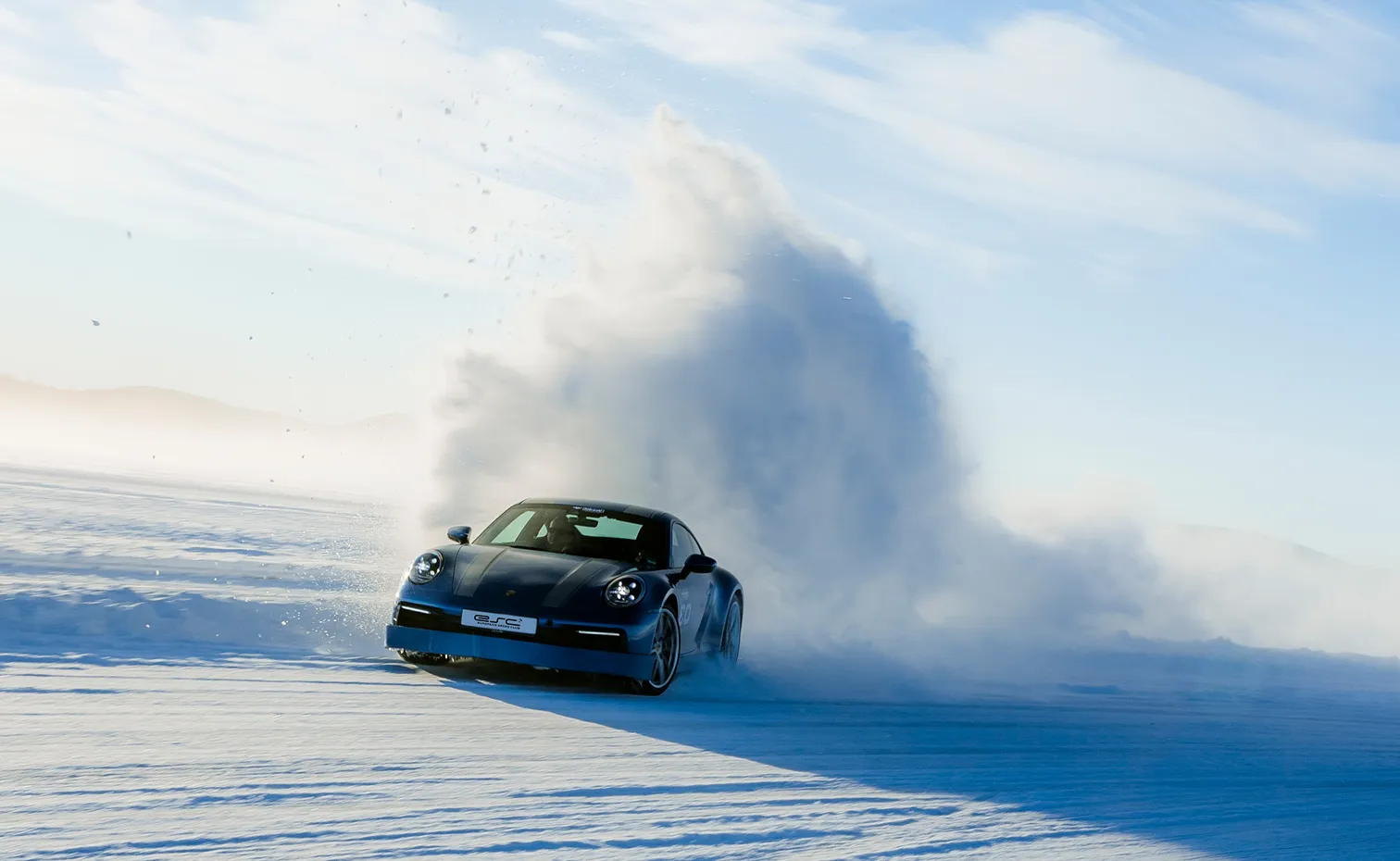


Snow Drift: Learn how to drift on ice and snow

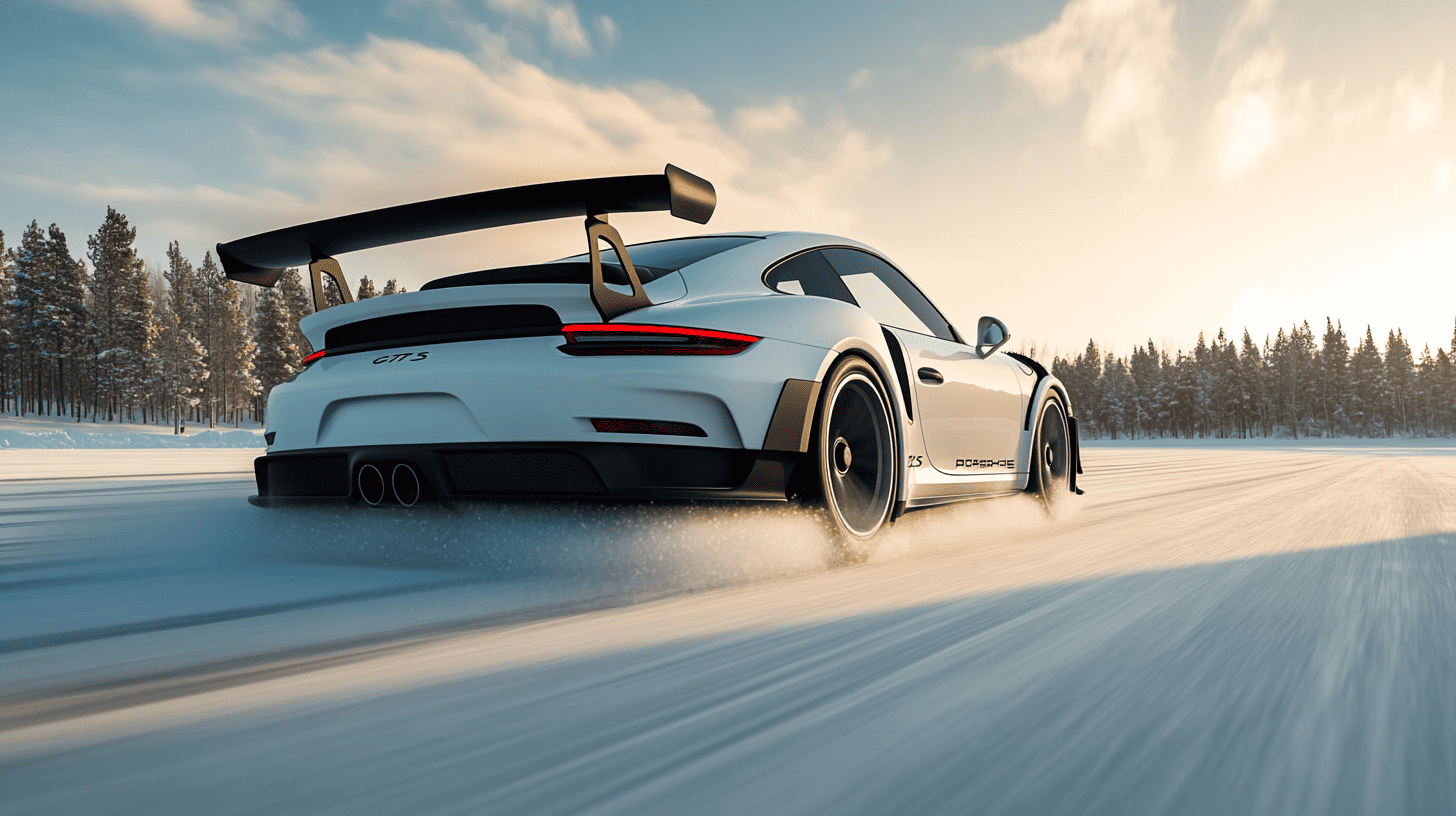
Snow Drift — Mastering Drifting on Ice and Snow
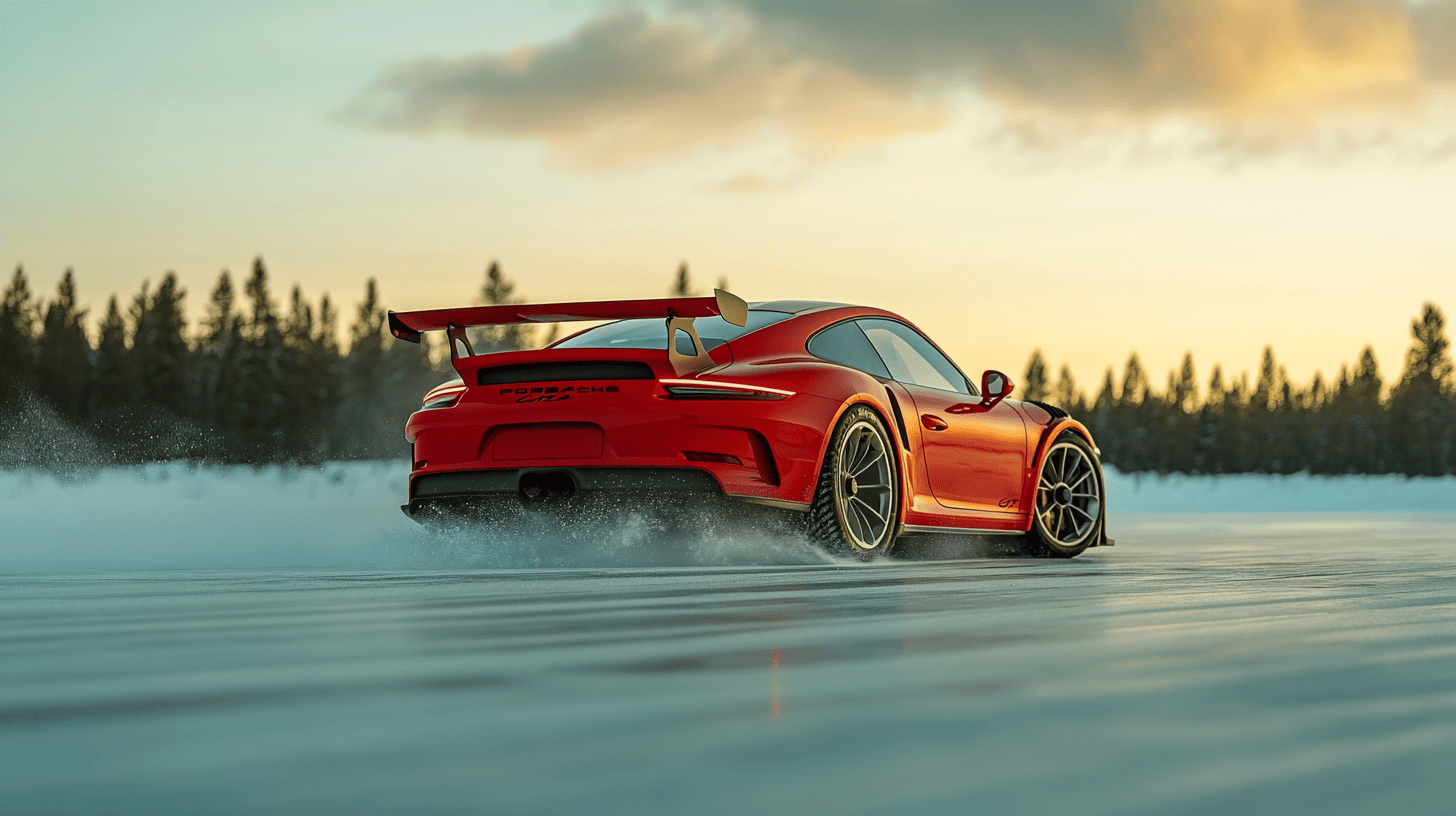
Your rear breaks out, snow sprays meters high into the arctic air, and you feel every inch of drift across the steering wheel. What would be life-threatening on public roads becomes controlled driving pleasure on a frozen lake — Snow Drift is the ultimate discipline for anyone who really wants to control their vehicle. Drifting fun on ice combines technology, adrenaline and a driving experience you'll never forget.
→ Discover all ESC Ice Driving dates
What is Snow Drift?
Snow drift refers to controlled drifting on snow and ice. Unlike classic drift training on asphalt, you use the low grip of the surface to bring your vehicle to extreme angles — and keep them there.
The principle: The physical principles remain the same, but the fault tolerance is greater. The car reacts more slowly on ice, giving you more time to correct. That is exactly why ice driving is the perfect training to really understand driving dynamics and driving technique — especially for drivers who want to test their limits and remain safe.
During Snow Drift, you'll learn:
- Introduction of drift due to weight transfer and gas surges
- Drift angle control via steering and throttle
- Intercept and drive out of the drift cleanly
- Exercises on circular track, slalom and open areas
Drift training strengthens your self-confidence when handling the vehicle — even in extreme situations.
Why drifting on ice is easier than on asphalt
The low friction makes the difference. On dry asphalt, you need massive power and aggressive techniques to make the rear break out. On snow and ice, a gentle load change is often sufficient.
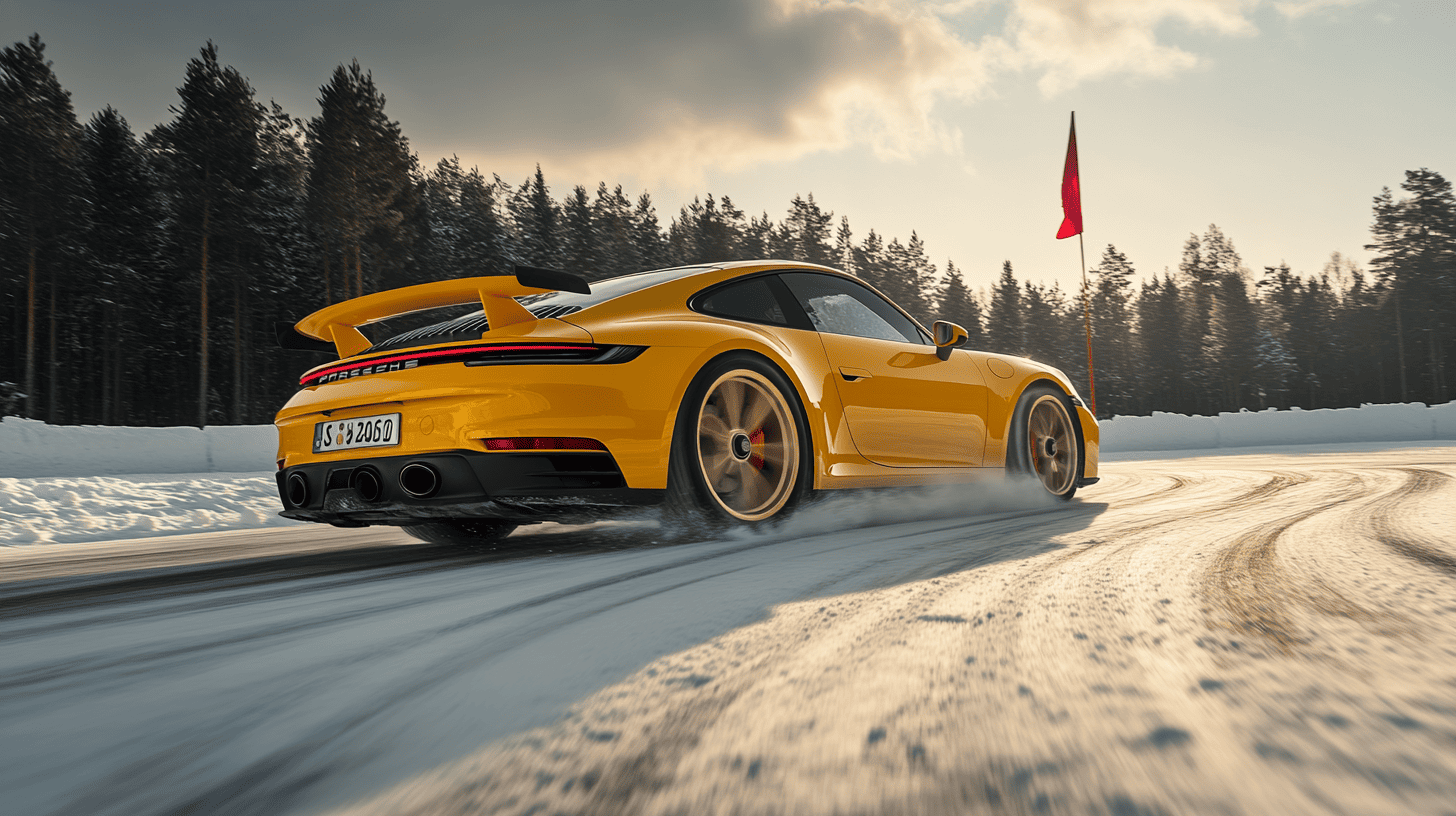
For your training, this means that you can fully concentrate on controlling the vehicle without worrying about mechanical stress. Instructors have more time to give you feedback because everything happens in slow motion — relatively speaking.
Another advantage: The environment forgives mistakes. Instead of guardrails, snowwalls await you, which only create a frightening moment when in contact. The professionals call these “natural run-off zones.”
Which drive is suitable for drifting?
Rear-wheel drive — the classic
Rear-wheel drive vehicles were born for drifting. The 911 with its characteristic rear engine is the perfect example: weight over the drive axle means traction when accelerating and controlled oversteer when accelerating.
For beginners, rear-wheel drive is ideal because the behavior is predictable. Accelerate = more drift. Remove gas = vehicle catches itself. This clear causality makes learning intuitive.
Four-wheel drive — controlled crossing
Four-wheel drive offers a different kind of driving pleasure. The lateral movement is more stable and the drift is easier to maintain. But the introduction of drift is more demanding — you have to work more actively with brakes and weight transfer.
Many participants start with rear-wheel drive and later switch to all-wheel drive to experience both worlds. The ESC fleet includes over 60 vehicles — from the classic 911 Carrera to the GT3 RS with a massive rear wing.
Drift Training — From Beginner to Pro
What you learn in drift training
Every professional drift training combines theory and practice. The basics of driving physics are crucial: How does a vehicle behave when changing loads? When does the rear break out? How do you correct overtaxes?
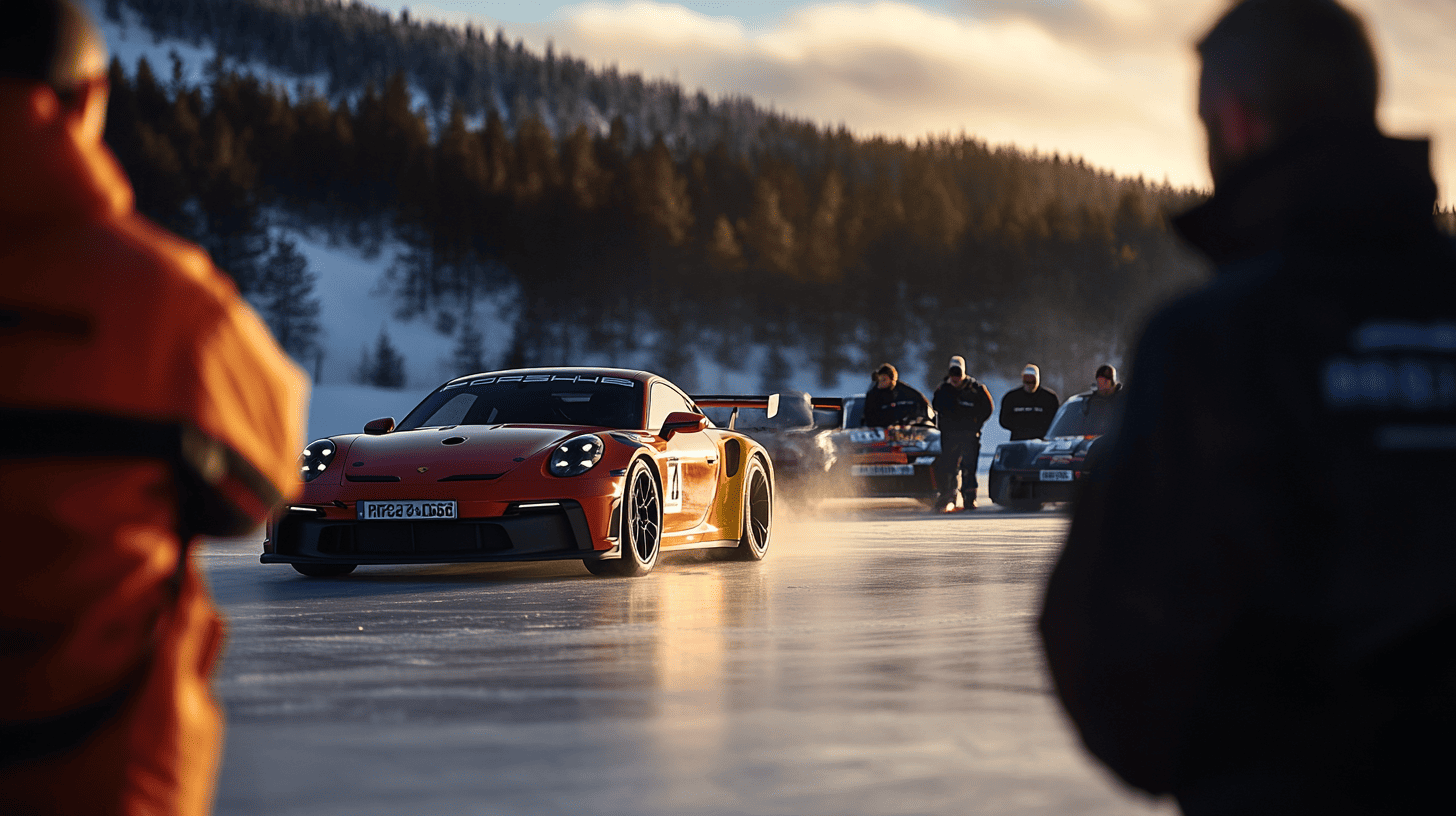
A short warm-up is followed by structured exercises: circular path for constant drifts, slalom for rapid changes of direction, free areas for oscillating and intercepting. The trainers provide individual feedback and adapt the program to your level. In doing so, you will learn how to safely initiate, control and intercept drifts.
The programs consist of theoretical and practical units — so you not only understand the what but also the why behind each technique.
Drift training costs at a glance
Prices vary significantly depending on provider, duration and location. Here is an overview of the common programs:
All prices include VAT. Depending on the program, training courses can be completed with your own vehicle or a parking vehicle. The Audi Driving Experience allows up to 16 participants per group.
The price difference is explained by the format: one-day events in Germany versus multi-day experiences with flights, accommodation and an exclusive vehicle pool.
The best locations for snow drift
Germany & Austria — Getting started
If you want to experience Snow Drift for the first time, you will find solid options in Germany and Austria. The BMW M Drift Academy in Maisach and Memmingen offers structured programs with professional support. On Katschberg in Austria, there is also ice driving on prepared areas.
These trainings are perfect for getting started: short journey, manageable costs, clear structures. What they lack is the feeling of limitless freedom — miles of ice rinks where you can really let go.
Lapland — The Mecca for Ice Driving

Swedish Lapland is the center of the ice driving world. Car manufacturers around Arvidsjaur and Arjeplog are testing their vehicles under extreme conditions — and this is exactly where you can find the best drift opportunities.
The region offers something that doesn't exist anywhere else: frozen lakes as large as entire counties, with perfectly prepared routes. Here you're not driving in a parking lot — you're experiencing motorsport in a setting that leaves you speechless.
ESC On Ice — Snow Drift Beyond the Arctic Circle
At the European Speed Club, you combine Snow Drift with an experience that only exists once. 35 kilometers of prepared ice tracks await you — including replicas of legendary racetracks such as Monaco, Spa and the Red Bull Ring.
The difference with other providers:
- Vehicle pool: Over 60 vehicles, including 30% GT models (GT3, GT3 RS, GT4)
- Performance: 2,000 spikes per car for maximum control when drifting
- Logistics: Own charter airline (Polar Force), just 25 minutes from the airport to the ice
- Supervision: Small groups, experienced instructors, individual coaching
- All-round carefree: Flight, accommodation, food — all included
The result: maximum track time instead of waiting time. You're here to drift, not to organize.
→ Secure ESC Ice Driving 2025 dates
Your next step
You don't just want to read, you want to experience? The 2025 ESC Ice Driving season gives you the opportunity to experience snow drift at the highest level — with vehicles that make your driver's heart beat faster in an environment you'll never forget.
→ Discover all ESC events on the calendar
→ Give away ice driving — ESC vouchers
Questions? Contact us directly — we are happy to advise you personally.
Still have questions?
Contact our team — we'll help you find the right cover for your next track day. Or sign up for our exclusive ESC newsletter and stay up-to-date!